
Places of Learning
Places are our site for learning, they are alive and always in motion. They are not just a pin on a map. Over the time, we have cultivated sustained engagements in three places in Karnataka, each with unique contexts offering collaborative learning.
Channapatna
Our work is Channapatna started as an initiative by a collective that consistsed of a group of 12 women community Health Navigators (HNs) supported by MAYA to create a Health library which can be a digital repository of local health experiences and traditional knowledge about wellbeing practices. The women of Channapatna together created Channapatna Health Library which has now led to the incubation of a women-led social enterprise called ‘Manesiri’. Channapatna has always welcomed young learners to explore how community network works, what does data collection mean to the women to maintain the repository, and community health to a large extent.
Kundapura
Kundapura is town in the Udupi district of Karnataka, the region is also known as the Karavali region. Kundapura is famous for its rivers and for the Arabian sea in the west coast. People majorly speak Kannada but there are people who speak other languages such as Tulu, Konkani and Koraga. Our engagements in Kundapura has largely been through Samagra Arogya, which is an intiative to work with local governance and community through the lens of Social Determinants of Health. The initiative resulted in several learning engagements with the children and teens of the place.
Kalyana Karnataka Region
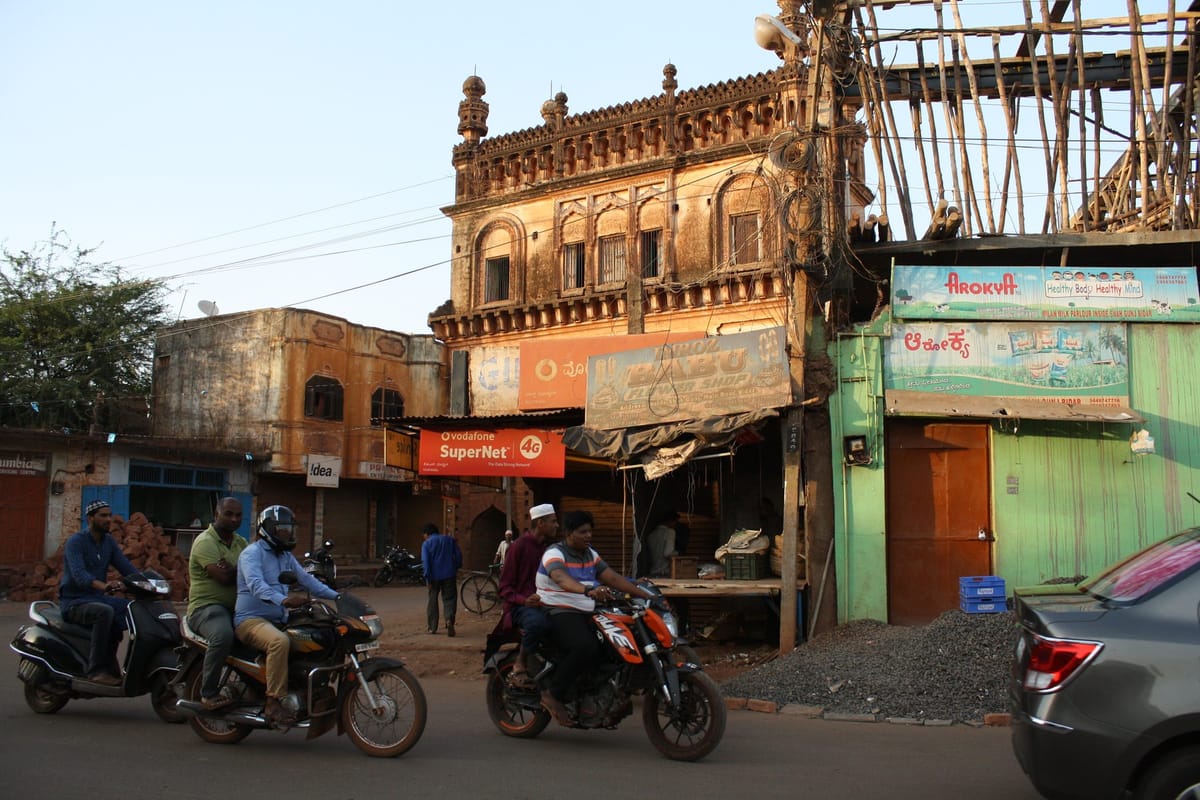
Bidar is a city located in the state of North Karnataka, India. It has a rich history that dates back to ancient times. Spanning over a decade of place-based work in Bidar, collaborations have always emerged with organisations, government institutions, students, scholars and the people of Bidar, they have shaped the learning experiences that transgresses limits. Bidar has been our place which have hosted several learners across and beyond the country. Learners have explored, learned, and collaborated by starting with micro-contexts, which in result was helpful to map the concentrations which were emerging out of the learning engagements.