
School for Community Wellbeing
Wellbeing encompases of health, economic growth, social development, ecology, built environment etc. With all of these factors taken into consideration, how will the wellbeing of the community look like?
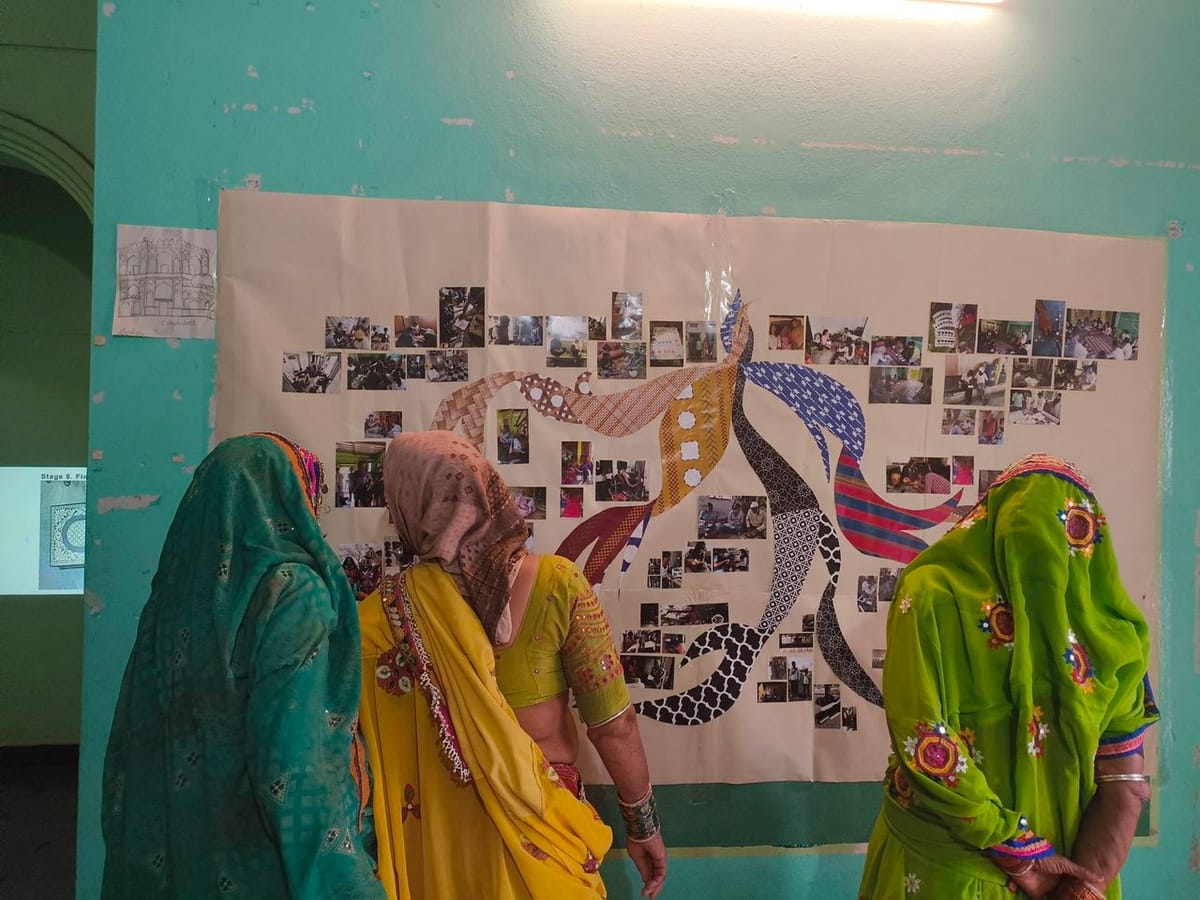
Our school works alongside communities to ask a simple question: What does it mean to live well, together?
Instead of treating wellbeing as a service delivered by systems, we approach it as something grown from the place, shaped by the ways people care for one another, care to sustain livelihoods, care to restore ecologies, care to imagine their futures. Hence, wellbeing of a place is not just a checklist of health, economy, culture, and environment; it is everyday weaving of all these threads strong enough to hold everyone, well together. Sometimes this means supporting women's collectives that double as places of care. Other times it means re-imagining public spaces so they invite gathering instead of exclusion. In all cases, the community itself holds the knowledge of what wellbeing should look like.
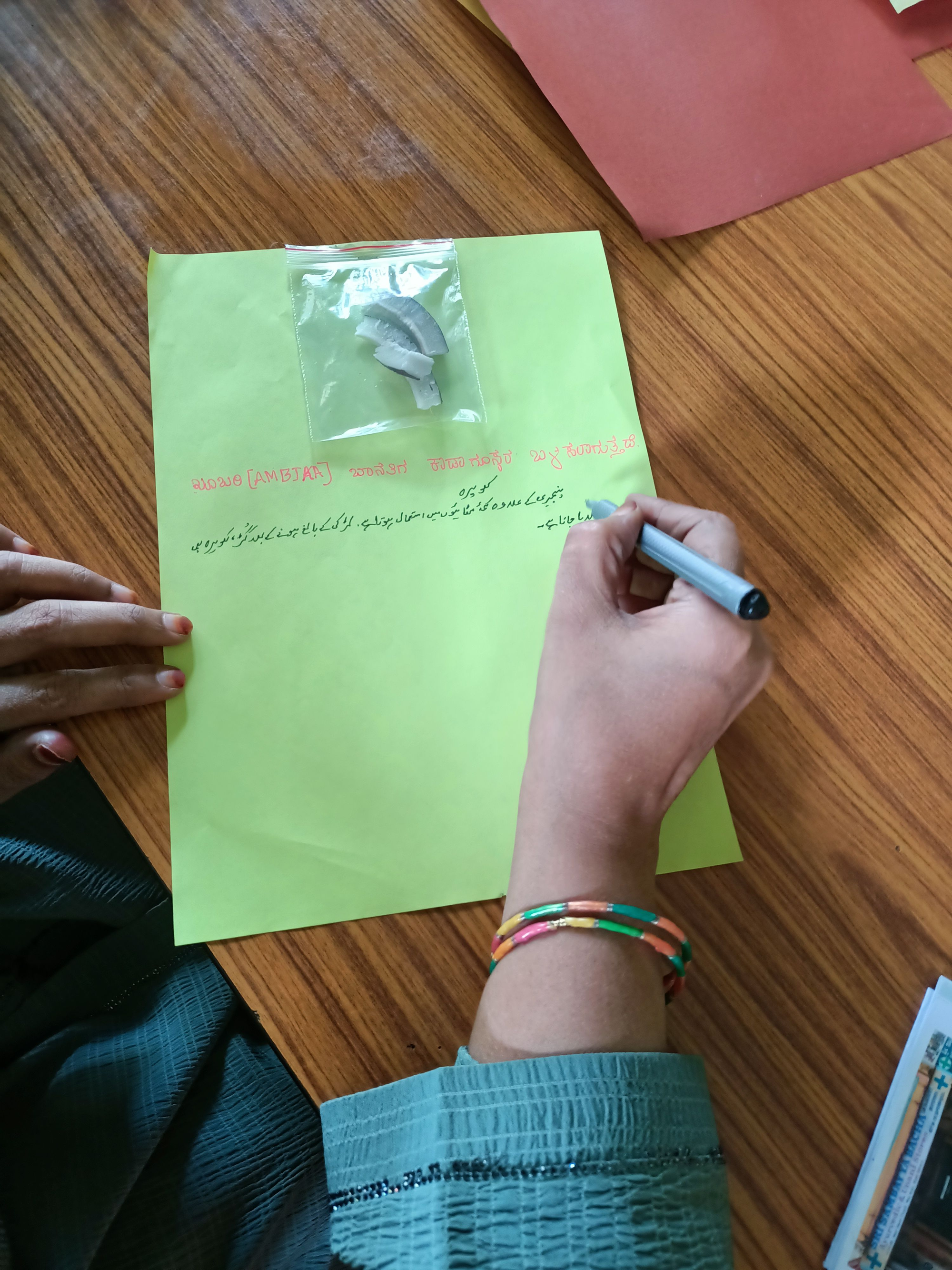
Take for instance, our work on Reproductive Health Cultures. We collaborate with different communities to understand the practices of care that accompany every phase of womanhood: menstruation, childbirth, postpartum healing, and menopause. These conversations reveal that wellbeing is not just medical; it is cultural, social, and ecological. From the herbs used for recovery to the songs sung during childbirth, each practice tells us how communities weave health and meaning together.
The school is not just a site of study, it is a practice of listening, understanding, questioning, and co-creating, with the community.