
School for Reimagining Technology
What if the imaginations are from the people who have been making, crafting, working with technologies as part of everyday life, and shaping both the technologies and their own creative practices. What kind of human-technology relations and forms could such imaginations hold, and bring forward?
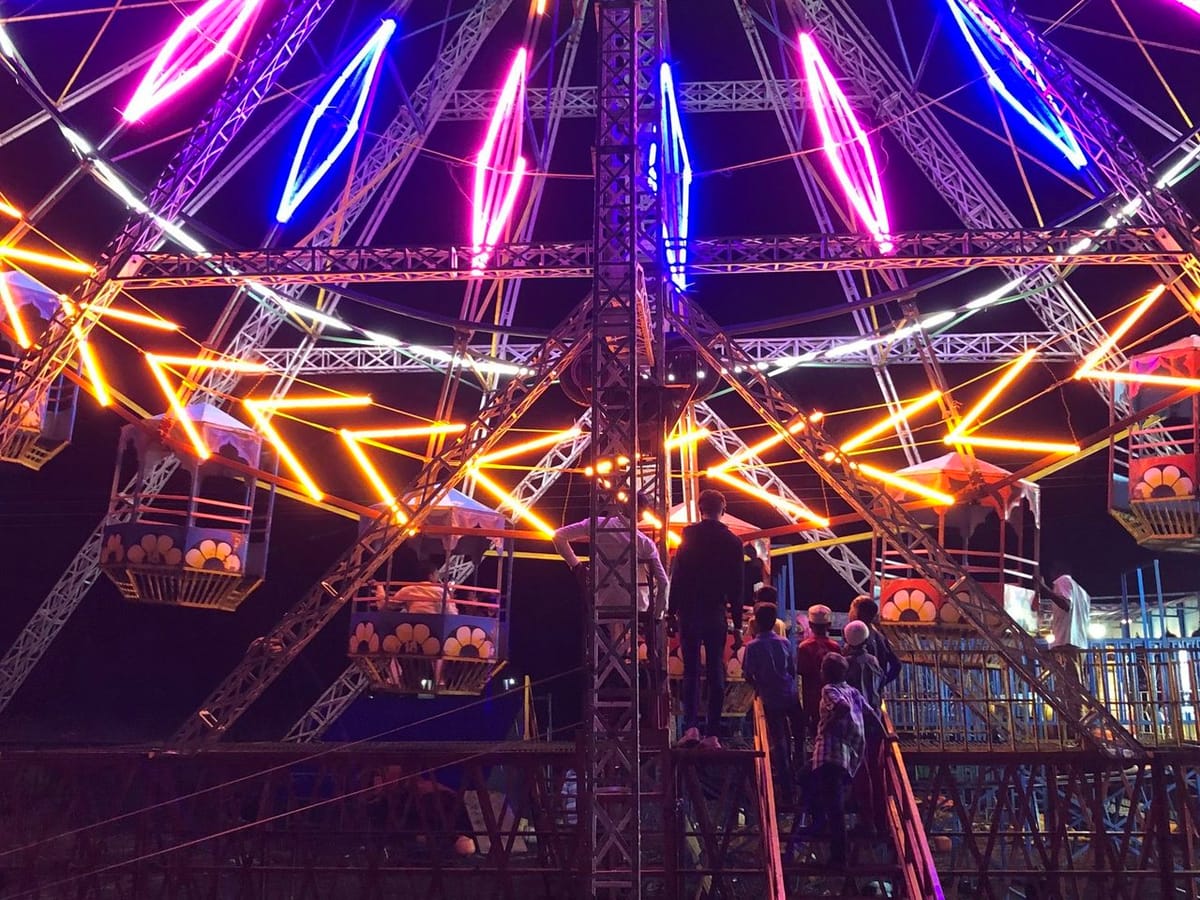
Our work in this school has revolved with one question: How do technologies take shape in the places and people that hold and carry them?
Instead of seeing technologies as distant inventions delivered from elsewhere, we approach them as imaginations that emerge from lived practices, those of people who create, recreate, and work with them on a daily basis. These imaginations do shape its machinery, while also shaping livelihoods, creative expression, and ways of living together. Sometimes this means tracing how a craftsperson adapts tools for new possibilities. Or asking how communities invent forms of technology that carry their own socio-cultural signatures. Technologies, for us, hence become ways to continually reimagine.
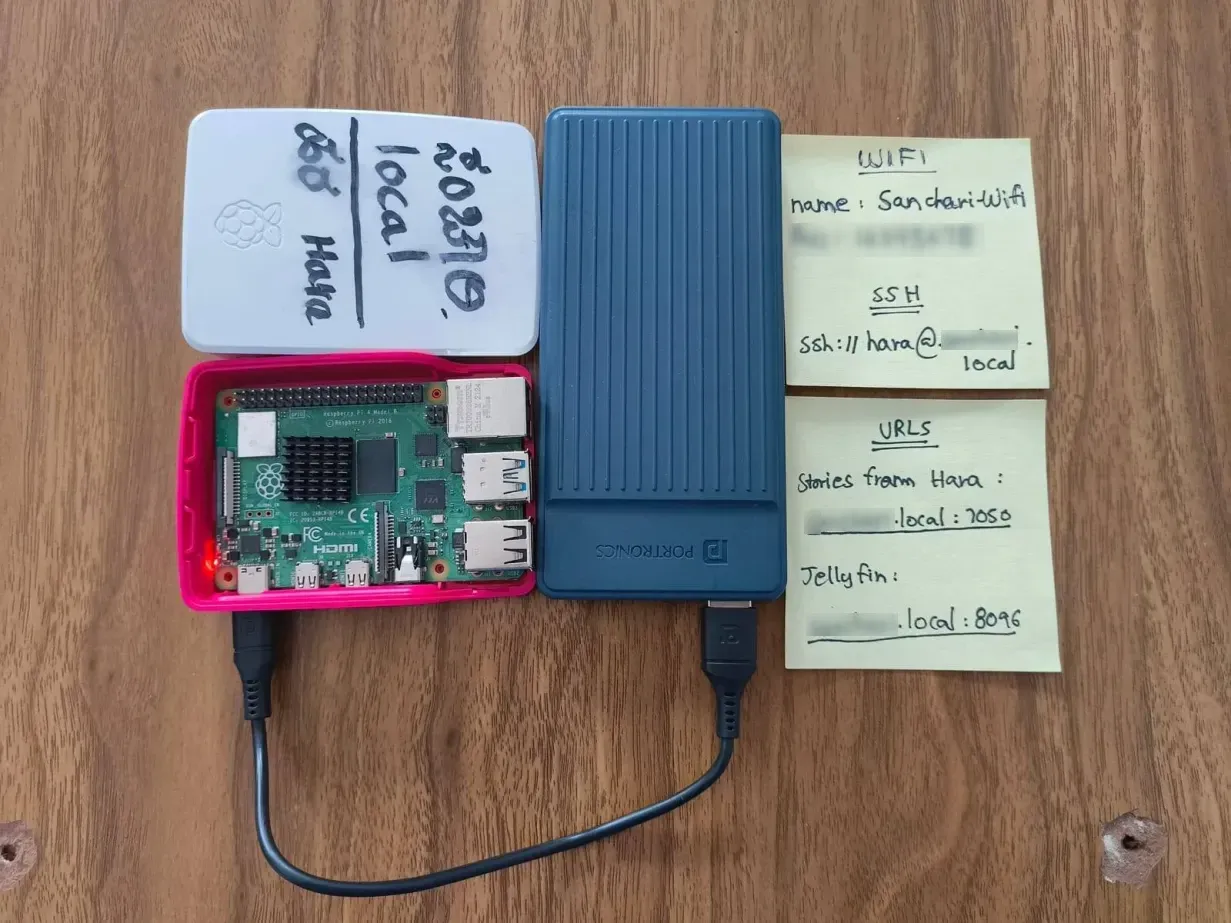
Our work with Sanchari, a travelling device we co-created with residents of Hara. We invited children and residents to connect with it through their own devices, opening access to local stories hosted on the Hara website and even media libraries like Jellyfin. The device itself seemed to work with the environment locally but also proved challenging. One resident asked, "How different is this from downloading things onto a pen drive?" reminding us that for technologies to take root, their difference must be felt in practice. The challenge of poor network coverage remained. What it taught us was that Sanchari needs to grow in the forms of interaction it offers so that it becomes more than a static archive to carry data and meaning both.
Our school becomes a space to test, adapt, and re-imagine technologies in dialogue with the communities who use them, we co-imagine connection and knowledge-sharing.