School for Syncretic Cultures & Practices

We start from a curiosity: how do cultures live, shift, and grow together over time? Syncretism here is a living process that shows how communities adapt practices for meaning, functioning, and for coexistence.
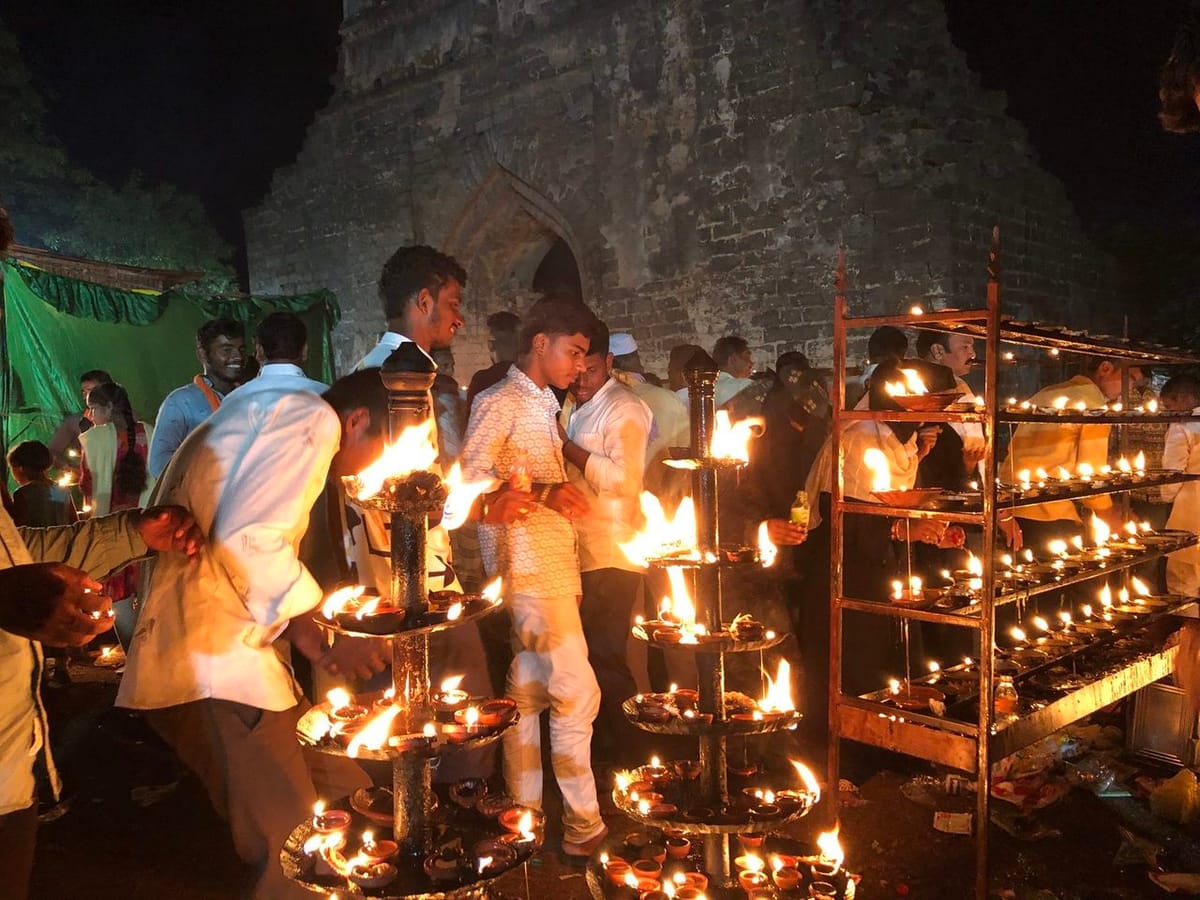
School for Syncretic Cultures & Practices

History tells us that cultures have been never singular, they are plural, layered, and constantly reshaped by the people who inhabit them. In every place we work, this plurality becomes visible in food, music, architecture, religious practices, languages, and art forms. Our explorations look at these as creativity: from the way a recipe carries stories of many kitchens to how an architectural form borrows from different traditions to become something anew.
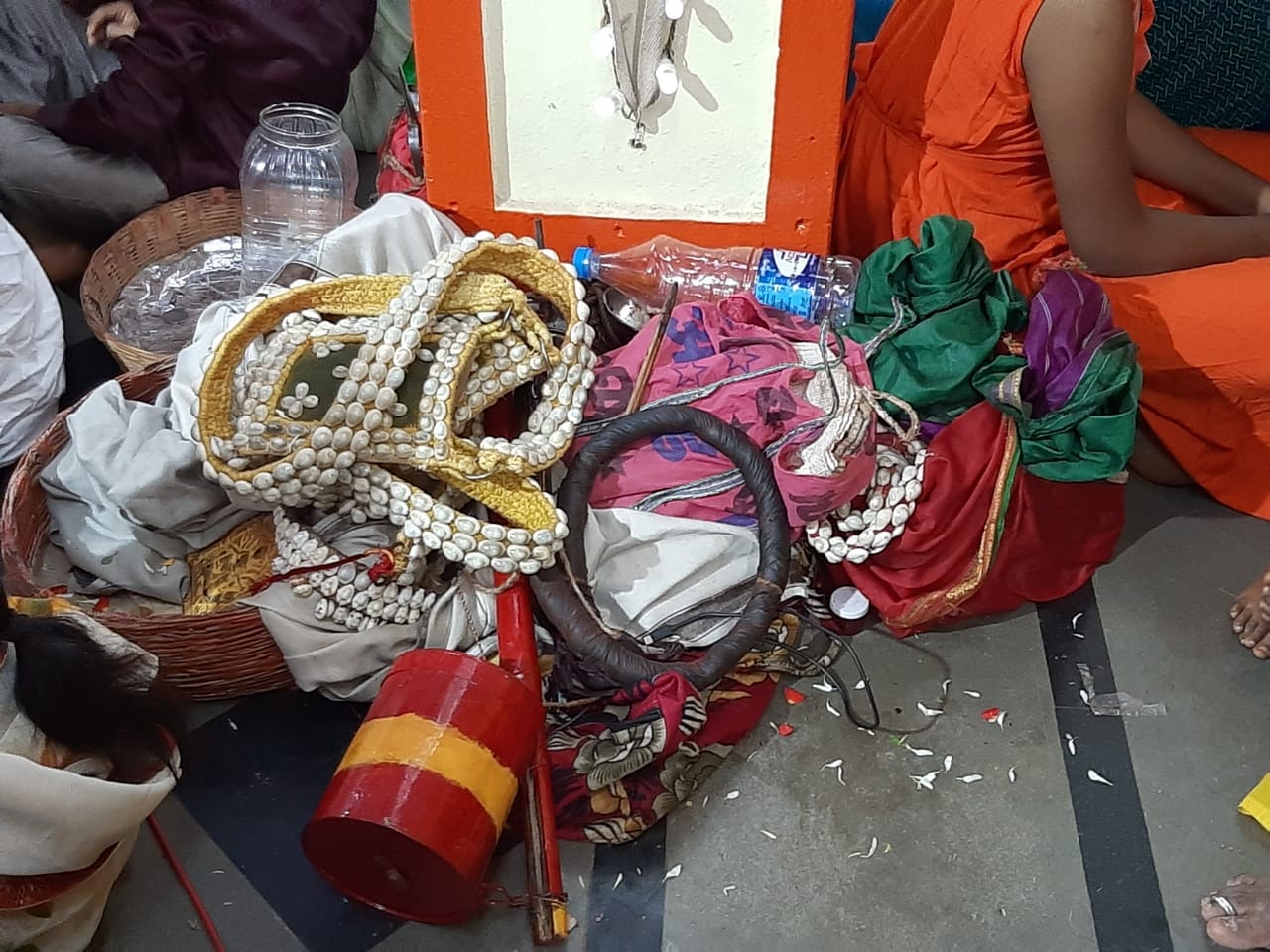
Navratri and Dussehra celebrations at Kumbara Wada Mandir, with materials used by Bhooteru for the Gondhol ritual - documentation as part of our work with CLKN

As Ruksana Nazneen, our collaborator shared during our work with CLKN: "The value of an art, a craft, or a practice is not always recognised in its present moment. It is often future generations who look back to understand what it carried."

The school is a space to learn from this plurality - listening to how people have always lived with difference, together, and how these practices might guide us in shaping more inclusive co-existing futures.

The key questions that guide this school are:

🔎
How can we learn best about syncretic cultures from a place and letting these places guide what and how we learn?
🔎
What are the best ways to bring together different fields of study so we can understand and respond to the many challenges and opportunities in places with mixed cultures?
🔎
How can we create new and different ways for communities to grow and improve, based on local knowledge and creative ideas, instead of just following traditional 'development' models, to support cultural diversity and community well-being in a place?
🔎
Through hands-on projects combined with careful thinking and real-world experiences, can we gain new insights and support the understanding and ongoing evolution of syncretic practices?
🔎
How can we teach in a way that helps students actively explore, think about, and personally understand cultural events - giving them ownership of their learning and allowing them to create meaningful stories from their experiences in diverse cultural settings?

Courses offered from this School
Loading ...
People affiliated to this School
Loading ...