
School for Sensitive Ecologies
We have been working to explore the possibilities creating the connections between the people and their environment. Our work in sensitive ecologies has been about finding the balance between humans and the ecosystem around them.
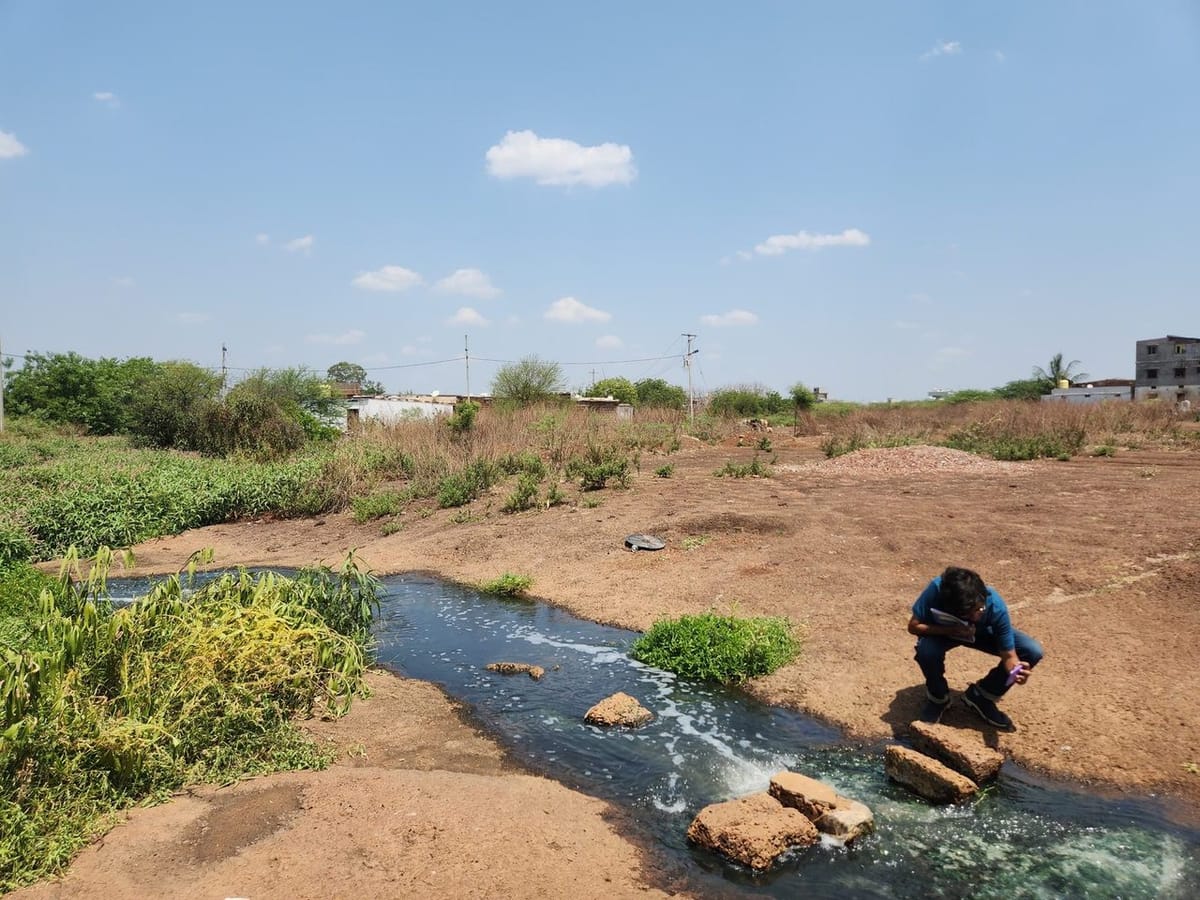
Our school here grows with an inquiry: How do humans live in relationship with the more-than-human world?
These relationships are not only found in forests or faraway wilderness, they exist in the wetlands, waterscapes, grasslands, and city edges where life unfolds. To nurture these connection, we learn from the ecologies themselves and from the people whose lives remain deeply entangled with them. Sensitive ecologies, for us, are teachers, companions, and co-creators of wellbeing and knowledge.
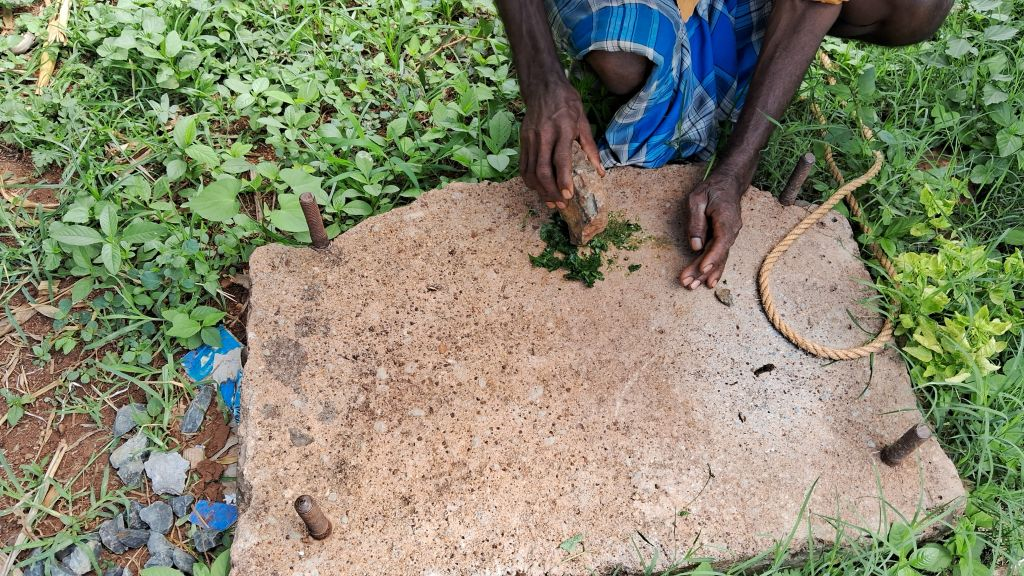
From one of our conversations with Veerbhushan, a natural farmer in Bidar. Picking a small stray of grass from the roadside, he asked: "Do you know how powerful this is?” Before I could answer, he continued: “Deer, hare, elephants, some of the most intelligent, strong, agile, and fast animals, survive solely on this. That shows how powerful this tiny bunch is.”
Here, our school becomes a place to listen closely to such voices, human and more-than-human and to reimagine our ecologies as resources and relationships to be cared for.